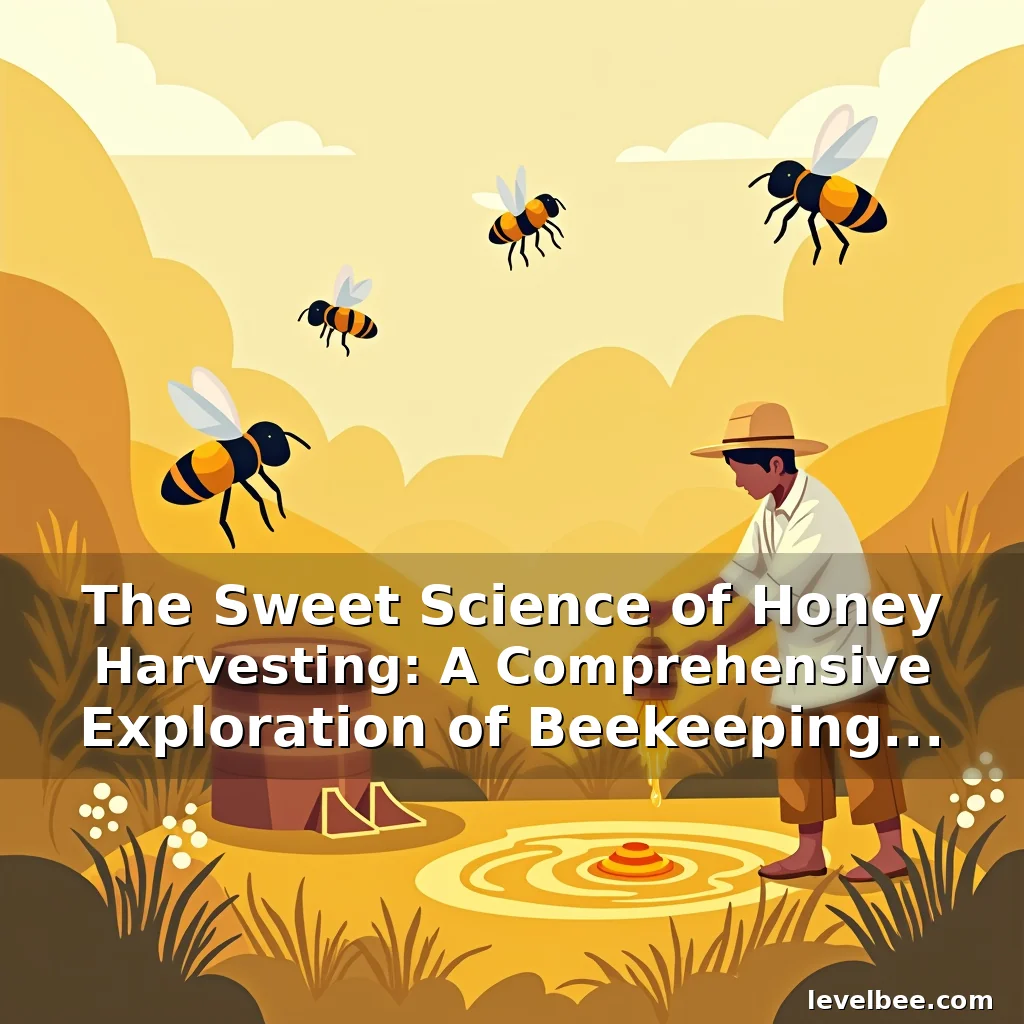
The Sweet Science of Honey Harvesting: A Comprehensive Exploration of Beekeeping Practices
Honey harvesting is an ancient practice that blends artistry with scientific precision. As beekeepers delve into the intricate world of apiculture, they uncover techniques honed over centuries while embracing modern innovations.
This guide explores the fascinating journey from nectar collection to jar-filling, revealing both traditional wisdom and contemporary advancements shaping today’s honey industry.
Understanding Apicultural Foundations
Beekeeping begins with selecting appropriate hive types that support colony health and productivity. Langstroth hives remain popular due to their modular design which facilitates easy inspections and honey extraction.
Successful harvesting requires understanding seasonal cycles. Spring blooms provide optimal nectar sources, while late summer harvests yield higher quality honey with distinct floral notes.
- Colony management: Regular inspections help monitor disease outbreaks and ensure adequate food stores for winter survival
- Natural rhythms: Aligning harvest schedules with plant pollination periods maximizes nectar availability without stressing colonies
Preparing for the Harvest Season
Adequate preparation ensures safe and efficient honey collection. This includes inspecting equipment for wear, replacing damaged components, and ensuring supers are properly positioned within hives.
Beekeepers must also consider weather patterns when scheduling harvests. Calm days with moderate temperatures minimize stress on bees during handling procedures.
Equipment Essentials for Successful Harvesting
Proper gear significantly impacts honey quality and safety. Key items include smokers to calm bees, hive tools for removing frames, and extraction tanks for processing collected comb.
Recent advances have introduced electric extractors that reduce manual labor while maintaining product integrity through controlled spinning processes.
The Art of Frame Removal and Inspection
Careful frame removal preserves colony structure and minimizes disruption. Beekeepers use gentle techniques to lift frames while keeping them oriented correctly within the super.
Detailed inspections during this phase identify signs of disease, mite infestations, or queen issues that could affect future honey production.
- Frame stability: Sudden movements can cause combs to break, leading to potential losses of stored nectar and brood damage
- Pest detection: Early identification of varroa mites prevents colony collapse and maintains overall hive health
Extracting Nectar from Comb Frames
Modern extraction methods balance efficiency with preservation of natural properties. The centrifugal process gently spins frames to release honey without damaging delicate wax structures.
Traditional crushing and straining methods are still used by some artisan producers who prefer a more hands-on approach to maintain specific texture characteristics.
Temperature Control During Extraction
Maintaining ideal temperatures between 95-105°F (35-40°C) during extraction optimizes flow rates while preserving enzymatic activity crucial for honey flavor development.
Excess heat above 118°F (48°C) destroys beneficial enzymes but may be necessary for eliminating pathogens in commercial operations following FDA guidelines.
Filtering and Clarifying Raw Honey
Strain filtration removes debris such as wax particles and pollen granules while retaining essential nutrients found naturally in raw honey products.
Sieve filters with fine mesh ratings effectively separate impurities without compromising the product’s natural color variations and aromatic compounds.
The Role of UV Light Treatment
Some producers employ low-level ultraviolet light to enhance clarity without affecting nutritional value. This method selectively targets organic contaminants rather than altering molecular composition.
Studies show that proper UV treatment can extend shelf life by up to 6 months compared to untreated samples stored under identical conditions.
Storing and Preserving Honey Quality
Appropriate storage conditions prevent moisture absorption and crystallization. Dark glass containers protect against light degradation, while tight sealing inhibits microbial contamination risks.
Temperatures below 77°F (25°C) slow down chemical reactions that might alter flavor profiles over time, helping preserve original taste characteristics longer.
The Economic Impact of Honey Production
The global honey market generates over $4 billion annually, driven by increasing demand for natural sweeteners and specialty honeys from specific flower sources.
In regions like Turkey and China, large-scale apiaries contribute significantly to local economies through job creation and agricultural diversification opportunities.
Environmental Considerations in Modern Beekeeping
Sustainable practices benefit both bee populations and ecosystems. Planting diverse flowering plants supports healthy pollinator habitats while reducing reliance on monoculture crops.
Reducing pesticide exposure near apiaries helps mitigate colony loss rates associated with neonicotinoid chemicals commonly used in industrial agriculture settings.
The Future of Honey Harvesting Technologies
Advancements in drone technology enable remote monitoring of hive locations and health indicators through thermal imaging capabilities.
Bioengineered solutions targeting Varroa destructor mites show promise in developing resistance traits within bee populations without disrupting natural behaviors.
Consumer Awareness and Ethical Harvesting
Increasing consumer interest in ethical sourcing has led to greater transparency regarding harvesting practices and animal welfare considerations in the industry.
Certifications indicating sustainable harvesting methods help consumers make informed choices about supporting responsible beekeeping communities worldwide.
Conclusion
Honey harvesting remains a vital intersection of tradition and innovation in modern apiculture. From meticulous hive management to cutting-edge technological applications, each step contributes to producing high-quality natural sweetener.
By appreciating the complexity behind every drop of honey, consumers and practitioners alike can support sustainable practices that benefit both human needs and ecological systems dependent on thriving bee populations.

news is a contributor at LevelBee. We are committed to providing well-researched, accurate, and valuable content to our readers.