The Backstory of a Small Business
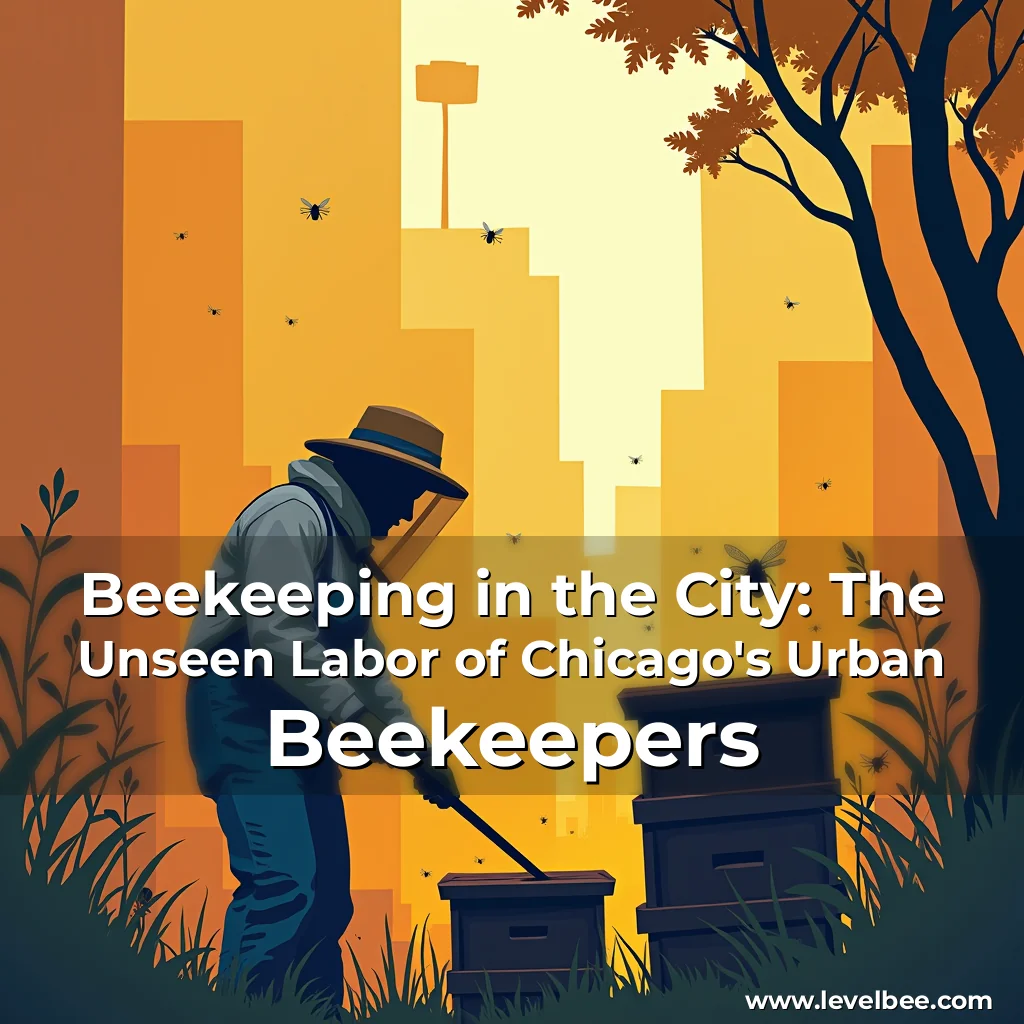
One local beekeeper started her business without a car, hauling equipment around Chicago by bicycle and trailer. That’s how owner, Jana Kinsman started ‘Bike-a-Bee’, by transporting hives and tools across neighborhoods to build the operation from the ground up.
- She began her journey without any prior experience, relying on online tutorials and trial-and-error to learn the ins and outs of beekeeping.
- As she built her business, Kinsman discovered the importance of community involvement and collaboration with other beekeepers to share knowledge and resources.
- Today, Bike-a-Bee is a thriving operation, with a strong focus on sustainability and environmental stewardship.
The Science of Beekeeping
In the spring, as temperatures rise about 45 degrees, bees emerge from winter dormancy and begin foraging. This is when the work really begins. Beekeepers start splitting hives, ordering new queens from southern breeders and multiplying colonies.
- Bees are incredibly social creatures, with a complex communication system that involves dance and pheromones.
- The queen bee lays eggs and is responsible for the colony’s growth and development.
- Beekeepers must carefully manage the colony’s population to ensure the health and well-being of the bees.
The Local Perspective
“Urban beekeeping is this extra special thing,” Kinsman said. “A lot of people think city and wildlife don’t mix but honestly, there’s more natural diversity here than in some rural areas.”
Neighborhoods like Englewood, with its wildflowers like clover, chicory, and dandelions, offer a unique flavor profile for honey. Honey harvested from linden trees in the summer has a bright, electric, minty taste, described by Kinsman as “world class.”
The Importance of Pollination
“Whatever bees find, they’re eating,” Kinsman explained. “And each neighborhood gives the honey its own flavor.”
Bees play a crucial role in pollination, with many plants relying on them to reproduce. Without bees, native or kept, we wouldn’t have food. Kinsman emphasized the importance of supporting local beekeepers and promoting pollinator health.
Getting Involved
Kinsman hopes more young people take an interest in the practice. Each year, her organization offers apprenticeships to teach others the craft. Despite the job’s physical demands like long days in the heat and heavy lifting, she says it’s worth it.
“Chicago is incredibly supportive of its beekeepers. There are hives on top of City Hall. If someone wants to start beekeeping here, the hardest part is just getting started.”
Conclusion
In conclusion, beekeeping in the city is a labor of love that requires dedication, hard work, and a passion for the environment.

news is a contributor at LevelBee. We are committed to providing well-researched, accurate, and valuable content to our readers.