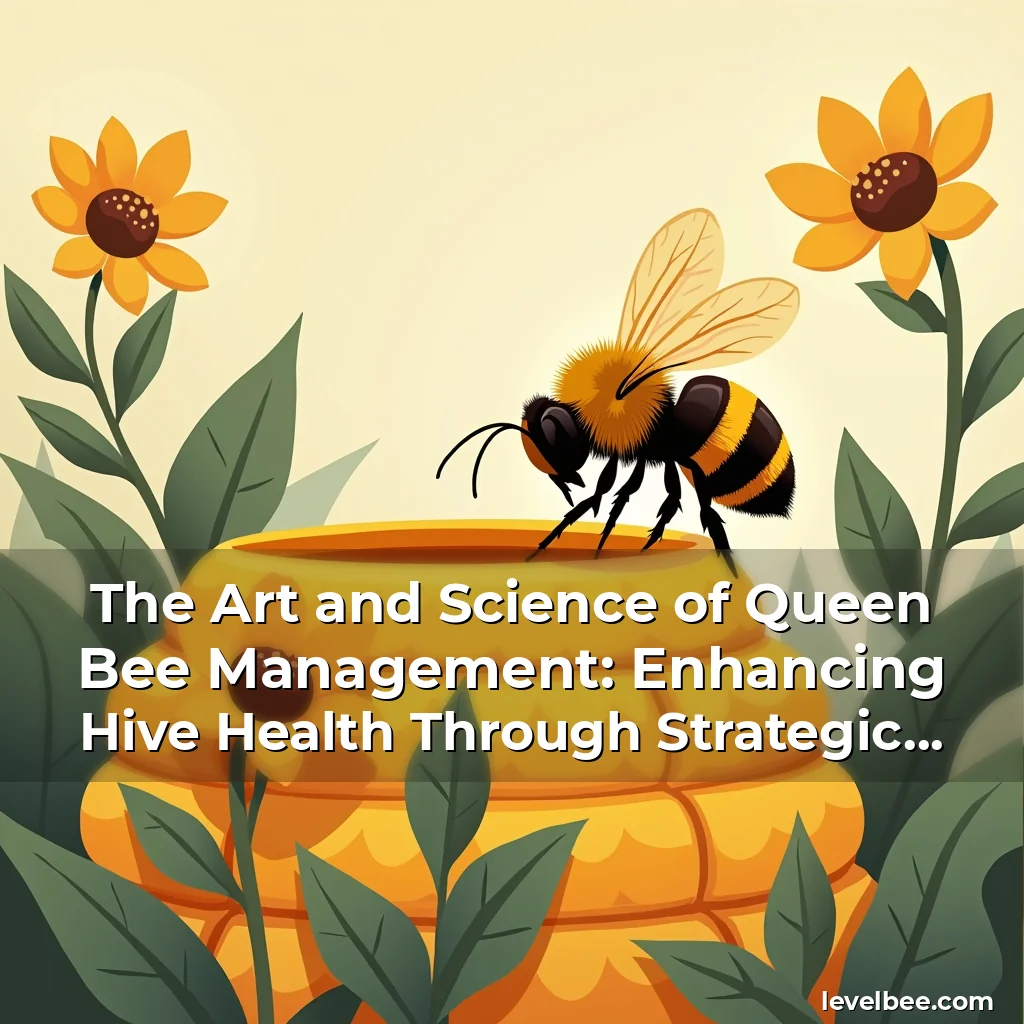
The Art and Science of Queen Bee Management: Enhancing Hive Health Through Strategic Care
In the intricate world of apiculture, managing the queen bee is akin to steering the ship of an entire hive’s destiny. The queen’s health and productivity are pivotal to the colony’s survival and success.
A well-managed queen ensures robust brood development, strong population growth, and resilience against diseases. This guide delves into the nuances of queen bee management, offering essential strategies for both novice and experienced beekeepers.
The Role of the Queen Bee in Colony Dynamics
The queen bee holds a singular role within the hive—laying eggs at an astonishing rate that can exceed 2,000 daily during peak seasons. Her presence dictates the colony’s structure and function.
Beyond egg-laying, the queen emits pheromones crucial for maintaining social cohesion among worker bees. These chemical signals suppress the development of other potential queens, ensuring her reign remains unchallenged.
- Queen Pheromones: Chemicals such as 9-oxodec-2E,6Z-dienoic acid regulate worker behavior and prevent swarming by signaling the colony’s stability.
- Colony Cohesion: A healthy queen reduces aggression among workers, promoting harmonious interactions necessary for efficient foraging and honey production.
Determining When to Replace Your Queen Bee
Recognizing signs that your queen needs replacement is critical for sustaining a productive hive. Declining brood patterns often indicate a failing or absent queen.
Other indicators include increased drone activity and irregularly spaced brood cells, which suggest the absence of consistent royal jelly feeding from nurse bees.
If you notice these symptoms, promptly inspecting the hive becomes imperative. Using a magnifying glass, carefully examine frames to locate any new laying pattern or evidence of supersedure.
Techniques for Introducing a New Queen
Introducing a new queen requires precision and patience to ensure she is accepted without conflict. One common method involves using a queen cage to allow gradual integration into the colony.
The cage typically contains food and allows worker bees time to become accustomed to her scent before releasing her fully into the hive. Proper timing minimizes rejection risks significantly.
Variations exist based on regional practices; some beekeepers prefer direct introduction methods under controlled conditions when weather permits.
Strategies for Maintaining a Healthy Queen
Maintaining a thriving queen necessitates regular inspections and optimal hive conditions. Monitoring the frequency and quality of egg-laying helps assess her vitality.
Ensuring adequate nutrition through diverse floral sources supports her longevity and fertility. Supplemental feeding might be required during nectar dearth periods to sustain high performance levels.
Regular check-ups every two weeks enable early detection of issues, allowing timely interventions before they escalate into serious problems affecting the whole colony.
The Importance of Genetic Diversity in Queen Rearing
Promoting genetic diversity enhances the overall strength and adaptability of colonies. Selective breeding programs aim to cultivate traits beneficial for disease resistance and productivity.
Hybridization between different strains can lead to improved characteristics such as gentleness, winter hardiness, and efficiency in honey collection. However, careful selection prevents undesirable traits from being passed down.
Reputable breeders maintain records detailing lineage information so beekeepers can make informed decisions regarding their apiaries’ future generations.
Natural Methods to Encourage Supersedure
Encouraging natural supersedure processes allows hives self-regulate their queen replacement cycles effectively. Providing ample space prompts colonies to consider raising a successor naturally.
Managing resources appropriately encourages worker bees to initiate supersedure when existing queens age or show signs of decline. Adequate pollen stores support this process seamlessly.
Observing behavioral shifts indicates readiness for change. If workers start constructing emergency cells, intervention may not always be necessary unless there’s imminent risk to colony viability.
Common Mistakes in Queen Management and How to Avoid Them
Failing to recognize early warning signs leads many beekeepers astray in managing their queen populations successfully. Ignoring subtle changes could result in sudden collapses later on.
Rushing introductions increases chances of rejection dramatically. Patience plays a vital role here—allowing sufficient acclimation periods improves acceptance rates substantially.
Overlooking nutritional requirements diminishes long-term sustainability efforts considerably. Ensuring balanced diets sustains peak performances consistently over extended periods.
Tools and Equipment Essential for Effective Queen Management
Proper tools facilitate accurate assessments and smooth operations while handling delicate queen specimens safely. A good magnifier aids in identifying developmental stages accurately.
Specialized containers designed specifically for transporting queens protect them from environmental stressors until safe release occurs. Keeping these items organized streamlines workflow efficiently.
Investing in quality gear upfront saves considerable effort later on. High-quality equipment contributes directly towards successful outcomes regardless of experience level involved.
Evaluating Success Metrics After Implementing Changes
Measuring progress post-intervention provides tangible feedback confirming effectiveness of implemented strategies. Tracking metrics like brood coverage offers insight into reproductive capabilities.
Monitoring swarm incidents reveals how well managed queens contribute toward preventing unnecessary losses due to premature departures. Reducing such occurrences strengthens overall colony integrity visibly.
Consistently recording observations enables comparison across seasons helping identify trends useful for refining approaches continuously moving forward positively.
Seasonal Considerations in Managing Your Queen
Adjustments must align with seasonal variations influencing available resources and hive activities. Early spring demands special attention focusing on rearing strong foundational structures.
Summer months require vigilance against heat stresses impacting queen longevity negatively. Providing shade where possible mitigates adverse effects reasonably well.
Autumn transitions demand preparation measures aimed at securing enough reserves supporting overwintering successes reliably each year thereafter consistently.
Community Resources and Support Networks for Beekeepers
Leveraging local associations broadens access opportunities enhancing collective knowledge sharing immensely benefitting individual practitioners alike equally.
Online forums serve as invaluable platforms facilitating real-time exchanges concerning emerging challenges faced commonly throughout various regions globally today.
Participating actively within these communities fosters continuous learning experiences contributing greatly towards personal advancement professionally speaking personally too importantly.
Conclusion
Mastering queen bee management transforms simple hobby pursuits into meaningful contributions toward preserving ecological balance responsibly.
Cultivating awareness around best practices empowers individuals making positive impacts lasting beyond immediate harvest yields benefiting broader ecosystems sustainably forevermore indeed.

news is a contributor at LevelBee. We are committed to providing well-researched, accurate, and valuable content to our readers.