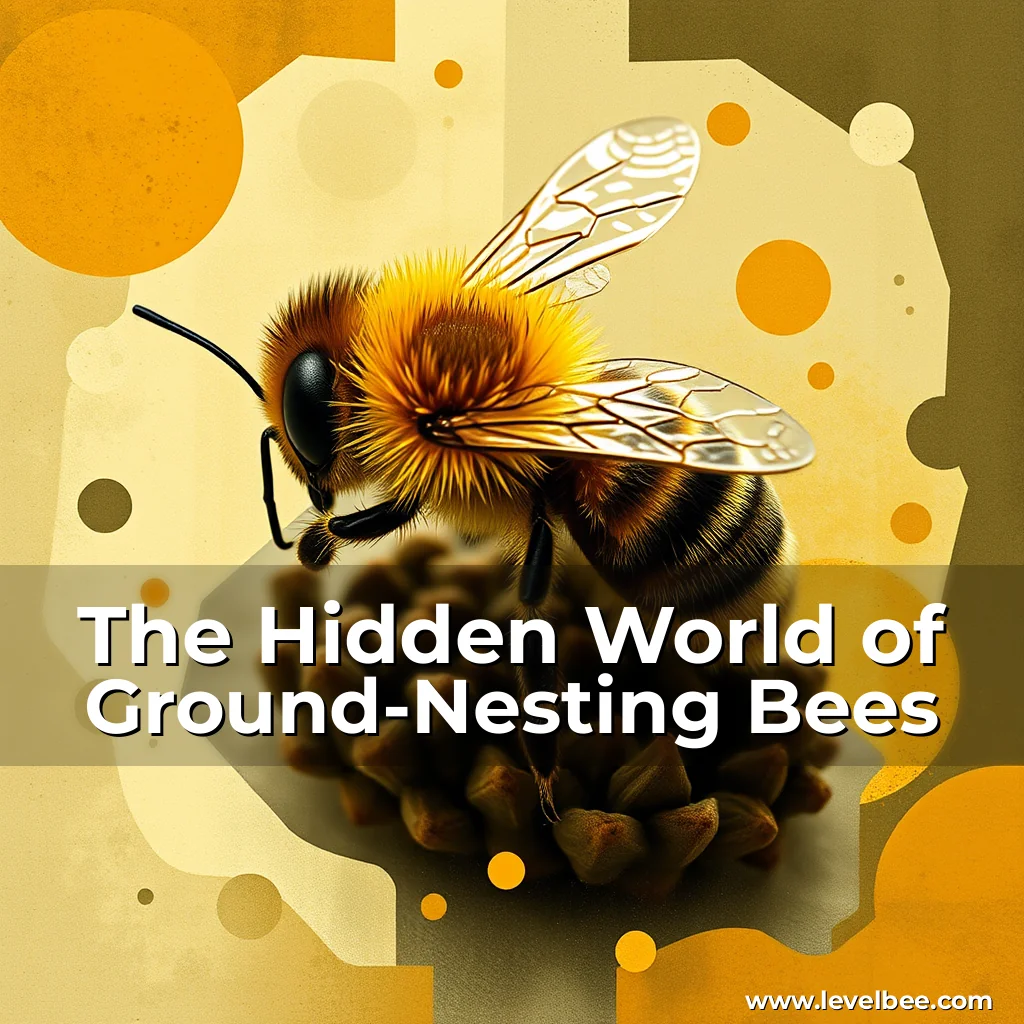
Lasioglossum (Homalictus) dotatum, a small, ground-nesting bee species, offers a valuable opportunity to explore how environmental conditions shape its nesting preferences. In Australia, this species is widely distributed across mainland Australia, nesting in a range of sandy soil types, from bare sand to rocky substrates. The nesting ecology of ground-nesting bees remains largely understudied, despite playing a crucial role in ecosystems. Ground-nesting bee habitats are threatened by land degradation, urbanisation, pesticides, and agricultural expansion. However, research into providing habitat for above-ground cavity-nesting bees has led to a better understanding of the importance of environmental features in shaping bee behavior. The study’s findings have important implications for native bee conservation, particularly in urban and agricultural areas. By incorporating rock gravel into urban landscapes, we can improve nesting conditions for ground-nesting bees like L. dotatum. This can contribute to more sustainable pollinator populations in urban and rural settings. Why is this research important?
The study’s results highlight the need to better understand the nesting preferences of ground-nesting bees like L. By examining how environmental conditions shape its nesting behavior, we can identify the most effective ways to conserve and enhance native bee habitats. This is crucial, as ground-nesting bees play a vital role in maintaining biodiversity and supporting wildlife. Key findings from the study:
• L. dotatum strongly preferred nesting in pots covered with rock gravel over those with bare sand. • The experimental pots with rock gravel had significantly more nest entrances, indicating that rock cover helps create a more stable and favourable microhabitat for nesting. • The bees also showed a preference for steam-treated sand, suggesting that factors such as microbial contaminants or organic residues in untreated soil may deter nesting.
- Understanding the nesting preferences of ground-nesting bees like L. dotatum is essential for native bee conservation.
- The study’s findings provide a simple, practical approach to enhancing the habitats of these vital pollinators.
- Rock gravel, in particular, is a valuable material for improving nesting conditions in urban and agricultural areas.
“The results of our study demonstrate the importance of understanding the environmental factors that influence the nesting behavior of ground-nesting bees like L. By providing a better understanding of these factors, we can develop more effective strategies for conserving and enhancing native bee habitats.”
| Key Takeaways | Implications for Conservation |
|---|---|
| L. dotatum strongly preferred nesting in pots covered with rock gravel over those with bare sand. | Incorporating rock gravel into urban landscapes can improve nesting conditions for ground-nesting bees like L. dotatum. |
| The experimental pots with rock gravel had significantly more nest entrances. | Rock cover helps create a more stable and favourable microhabitat for nesting. |
| The bees showed a preference for steam-treated sand. | Untreated soil may contain microbial contaminants or organic residues that deter nesting. |
A Simple, Practical Approach to Conservation
Our study provides a simple, practical approach to enhancing the habitats of ground-nesting bees like L. By incorporating rock gravel into urban landscapes, we can improve nesting conditions for these vital pollinators. Supporting Ecosystems
Ground-nesting bees like L. dotatum play a vital role in maintaining biodiversity and supporting wildlife. By understanding their nesting preferences and providing suitable habitats, we can support these ecosystems and contribute to a more sustainable future. Conclusion
Our study highlights the importance of understanding the nesting preferences of ground-nesting bees like L. dotatum, contributing to more sustainable pollinator populations in urban and rural settings.

news is a contributor at LevelBee. We are committed to providing well-researched, accurate, and valuable content to our readers.