The Heart of Beekeeping in Texas
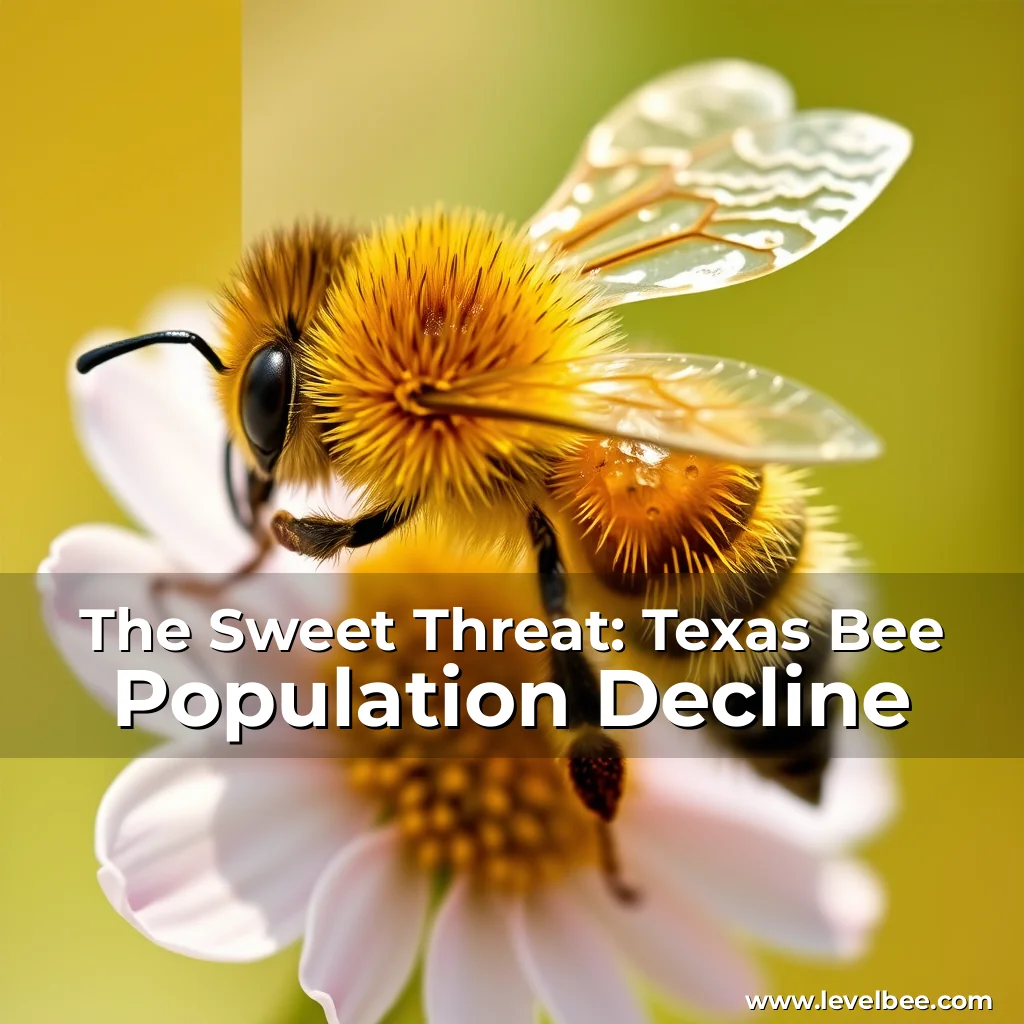
Texas is renowned for its exceptional beekeeping industry, with many local beekeepers producing some of the finest honey in the country. The Lone Star State’s unique combination of climate, geography, and flora makes it an ideal location for beekeepers to thrive. However, the recent decline in bee populations has raised concerns about the future of Texas honey production.
- Bees are essential for pollination, and their decline can have a ripple effect on the entire ecosystem.
- The loss of honey bees is not only devastating for beekeepers but also for the environment and the economy.
- Texas’s beekeeping industry is worth millions of dollars, and the decline of honey bee populations could have severe economic implications.
The Impact of Extreme Weather on Texas Bee Populations
The past few years have seen extreme weather swings in Texas, with record-breaking heatwaves, droughts, and freezes. This has had a devastating impact on bee populations, with a 66% decline in colony numbers since June. This decline is far beyond the normal, acceptable range of loss, which is typically around 13-17%.
| Month | Temperature | Weather Pattern |
| June | 90-100°F | Drought |
| December | 20-30°F | Freeze |
The Importance of Nectar for Texas Honey Bees
Nectar is essential for the production of honey, and its availability is directly affected by the weather patterns in Texas. The extreme heatwaves and droughts have led to a reduction in nectar production, making it challenging for honey bees to produce honey.
- The reduction in nectar production affects the entire ecosystem, as bees rely on nectar to survive.
- The decrease in nectar production also affects the environment, as it impacts the availability of food for other pollinators.
- Without a steady supply of nectar, honey bees are unable to produce honey, which has severe consequences for the beekeeping industry.
The Consequences of a Declining Bee Population
The decline of honey bee populations has severe consequences for the environment, the economy, and the beekeeping industry. The loss of honey bees could have a ripple effect on the entire ecosystem, leading to a decline in plant diversity and a reduction in pollination services.
- The loss of honey bees could lead to a decline in plant diversity, as bees rely on specific plant species to survive.
- The decline in pollination services could have severe economic implications, as many crops rely on bees for pollination.
- The loss of honey bees could also have severe consequences for the environment, as it impacts the availability of food for other pollinators.
A Potential Solution
While the decline of honey bee populations is a serious concern, there are steps that can be taken to mitigate its effects. Beekeepers can implement measures to protect their bees, such as using bee-friendly plants, providing adequate shelter, and controlling pests and diseases.
- Bee-friendly plants can provide a source of nectar and pollen for honey bees.
- Adequate shelter can protect bees from extreme weather conditions.
- Controlling pests and diseases can help reduce the impact of environmental stressors on bee populations.
Quoted Statement from a Beekeeper
“I’m deeply concerned about the decline of honey bee populations in Texas. As a beekeeper, I’ve seen firsthand the devastating impact of extreme weather swings on bee populations. If we don’t take action to protect our bees, I fear that we’ll lose the production of Texas honey altogether.”
“The decline of honey bee populations is a ticking time bomb for our ecosystem. We need to take immediate action to protect our bees and ensure the long-term sustainability of our beekeeping industry.”
Highlights
- The decline of honey bee populations in Texas is a serious concern that could have severe economic and environmental implications.
- The extreme weather swings in Texas are having a devastating impact on bee populations, with a 66% decline in colony numbers since June.
- Bees rely on nectar to survive, and the reduction in nectar production is affecting the entire ecosystem.
Definitions
- Beekeeping industry
- Bee-friendly plants
- Nectar
- Colony numbers
Conclusion
The decline of honey bee populations in Texas is a serious concern that could have severe economic and environmental implications. While the situation is dire, there are steps that can be taken to mitigate its effects. With careful planning and action, we can work towards ensuring the long-term sustainability of our beekeeping industry and the production of Texas honey.

news is a contributor at LevelBee. We are committed to providing well-researched, accurate, and valuable content to our readers.