Ulster Beekeepers Association Chair Describes Critical Situation
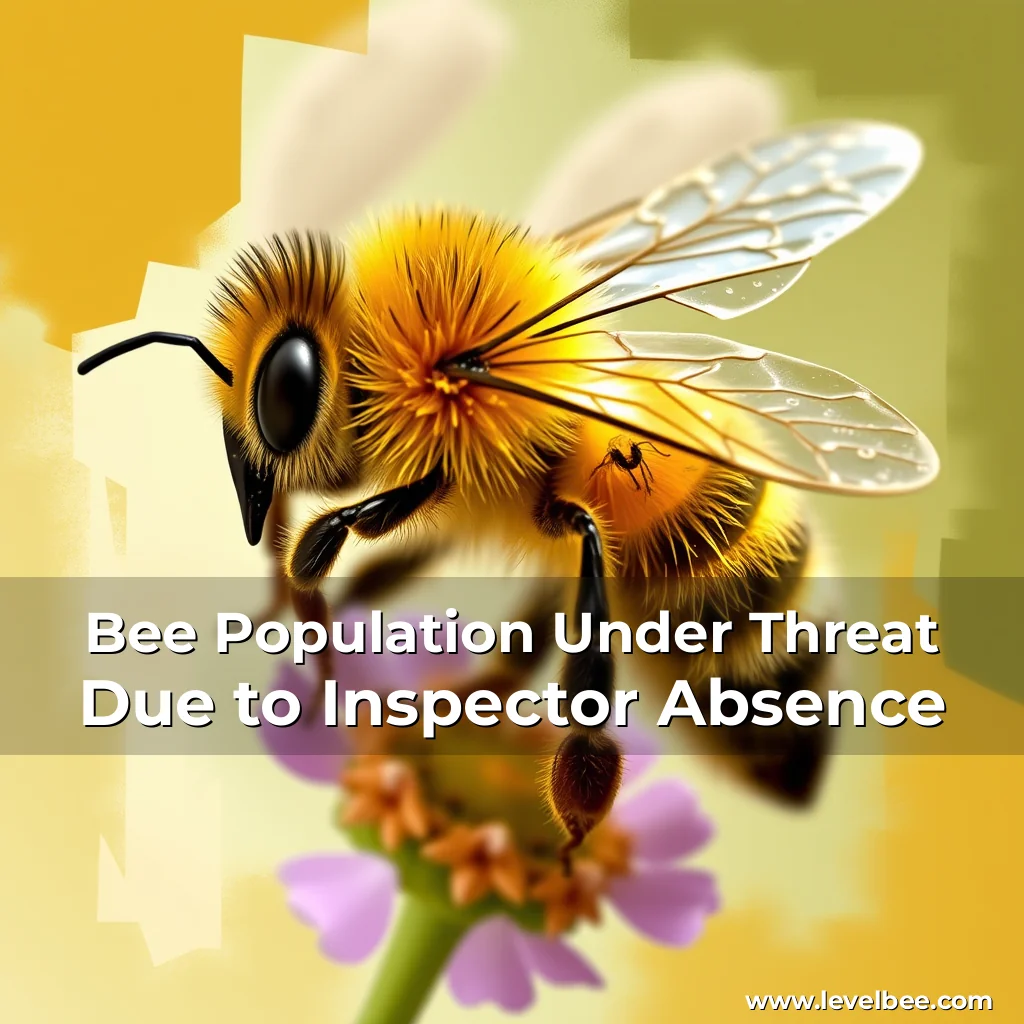
The chair of Ulster Beekeepers Association, Valentine Hodges, has described Northern Ireland’s honey bee population as “under threat” due to the absence of a bee inspectorate since last year. This critical situation has been exacerbated by the lack of recruitment and replacement of the post. The bee inspector plays a vital role in supporting bee health, addressing diseases such as American foulbrood (AFB) and European foulrood (EFB) that can significantly impact honey bee colonies.
- According to Hodges, the situation is “critical” and she is “angry and disappointed” that the post is vacant.
- The Department for Agriculture, Environment and Rural Affairs (Daera) claims it is “responding to recent reductions in inspectorate staff available for bee inspections and recruitment competitions are underway.
The last full-time bee inspector retired at the end of October 2024, and the part-time inspector role has been vacant since December 2024. Although beekeepers are required to report diseases within their own colonies, the bee inspector is responsible for confirming such notifiable diseases, containing outbreaks, inspecting neighboring hives, and advising on destroying affected colonies. Despite the challenges posed by diseases, pests, and parasites, such as American foulbrood, climate change, habitat loss, and extreme weather, the bee population is under threat due to the lack of a bee inspector.
- AFB and EFB can spread rapidly through a hive, leading to the entire colony’s death, and their spores can live for decades, making monitoring and managing bee colonies critical.
- Although AFB and EFB do not affect the quality of honey, they can have a knock-on effect on food supply and pollination services due to honey bees being a key pollinator.
The Ulster Beekeepers Association has expressed concerns about the lack of recruitment and replacement of the bee inspector post, stating that Daera’s recruitment process is “not good enough”.
“I am angry and disappointed that the post is vacant,” said Mrs. Hodges, a beekeeper in County Down with about 80-100 hives. “The diseases themselves are not a threat to the public, they are a threat to our bees.”
Gareth Gillan, a beekeeper for over 20 years, also expressed concern about the lack of inspectors, stating that “American foulbrood especially is spore forming, so those spores can live up to 50 years, 60 maybe, max, so that will be in the environment for that length of time.”
Accountability
Gillan also highlighted the importance of accountability in disease management, stating that “it was best practice” to destroy the rest of the colony after a confirmed case of AFB, as seen in his own experience 15 years ago.
| Key Factors | Description |
|---|---|
| American Foulbrood | A bacteria that infects young bee larvae, can spread through a hive leading to entire colony’s death. |
| European Foulbrood | A disease that affects adult bees, can cause significant impact on honey bee colonies. |
| Habitat Loss | A major factor contributing to the decline of honey bee populations, due to urbanization and agricultural practices. |
| Climate Change | Affects honey bee populations, through changes in temperature and precipitation patterns. |
The situation highlights the need for effective beekeeping management and disease control measures, as well as the importance of accountability in addressing these issues. Experts Weigh In
Experts in the field of beekeeping emphasize the need for a robust bee inspectorate to ensure the health and well-being of honey bee populations.
- According to Hodges, “the diseases themselves are not a threat to the public, they are a threat to our bees.”
- Gillan added, “American foulbrood especially is spore forming, so those spores can live up to 50 years, 60 maybe, max, so that will be in the environment for that length of time.”
Conclusion
In conclusion, the absence of a bee inspectorate has put the honey bee population of Northern Ireland “under threat”. The lack of recruitment and replacement of the post has exacerbated the critical situation, highlighting the need for effective beekeeping management and disease control measures, as well as accountability in addressing these issues. The experts emphasize the importance of a robust bee inspectorate to ensure the health and well-being of honey bee populations, and the need for a comprehensive approach to managing diseases, pests, and parasites.

news is a contributor at LevelBee. We are committed to providing well-researched, accurate, and valuable content to our readers.